


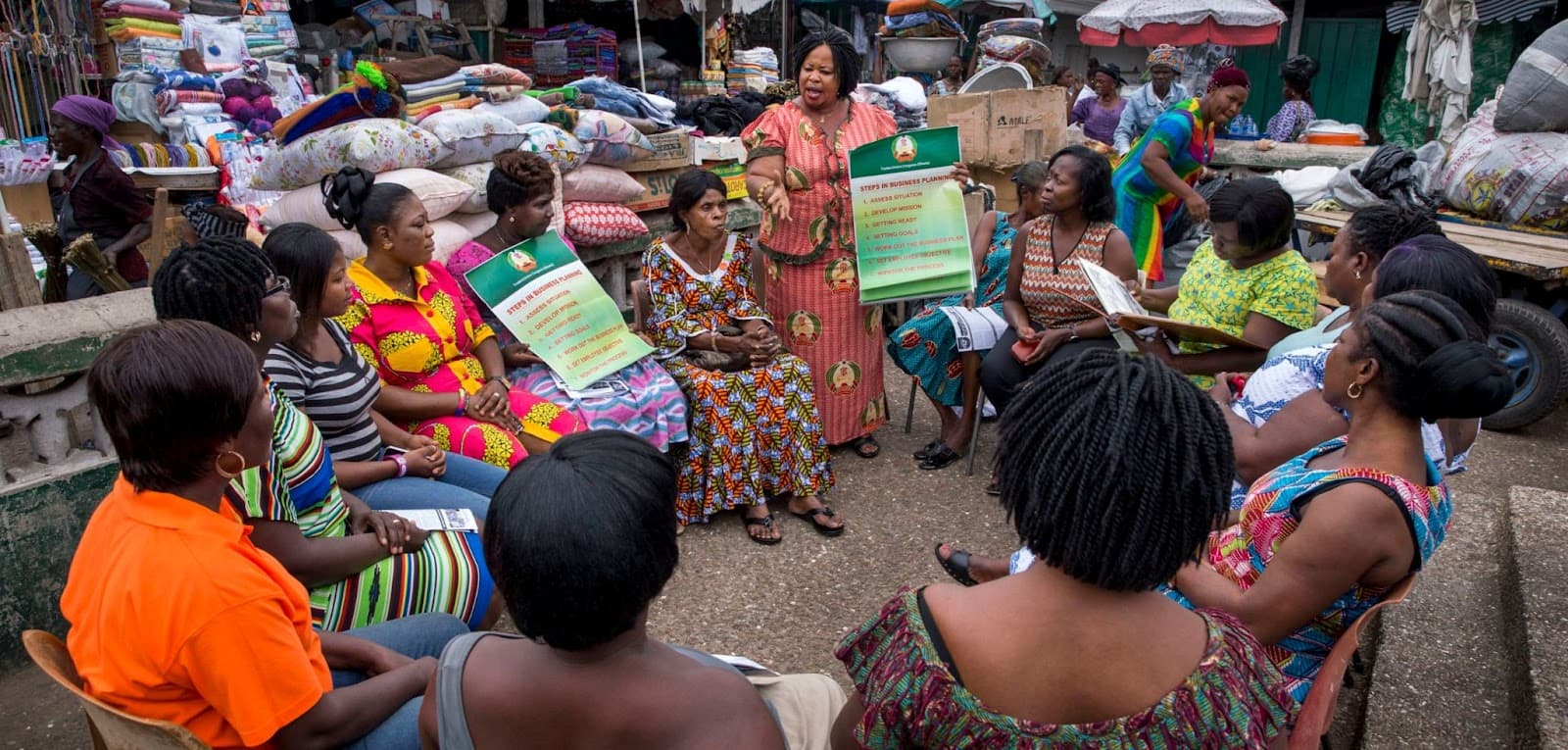
A just, equitable future of work begins with the voice of workers.
We provide a knowledge and action hub dedicated to advancing the rights, lives, and livelihoods of workers in the informal economy.
 Uganda
September 21, 2026 · Global Fairness Initiative
Case Study: The Future of Work: Worker Organizing and Power in Africa's Informal Economy - Federation of All Uganda Migrant Workers Associations (FAUMA)
The Future of Work: Worker Organizing and Power in Africa's Informal Economy The Future of Work report includes case studies which spotlight how new worker groups mobilize different power resources across contexts. Selected to reflect sectoral, geographic diversity and organizational maturity, the cases also illuminate effective power-building strategies and pathways, successes and enduring constraints, drawing out replicable lessons for new worker groups. This case study features Federation of All Uganda Migrant Workers Associations (FAUMA).
Read publicationWhat We Do
We amplify worker voices.
The Global Fairness Initiative's Inclusive Labor Institute (ILI) is a worker-centered hub focused on improving the nature of work for the more than two billion workers in the global informal economy. We are a bridge between worker organizations, civil society, and public and private institutions.
Lens
Worker-centered
Grounding research and action in workers' lived experience.
Focus
Informal economy
Especially where formal protections are weakest.
Approach
Knowledge & action
Pairing evidence with applied tools and collaboration.
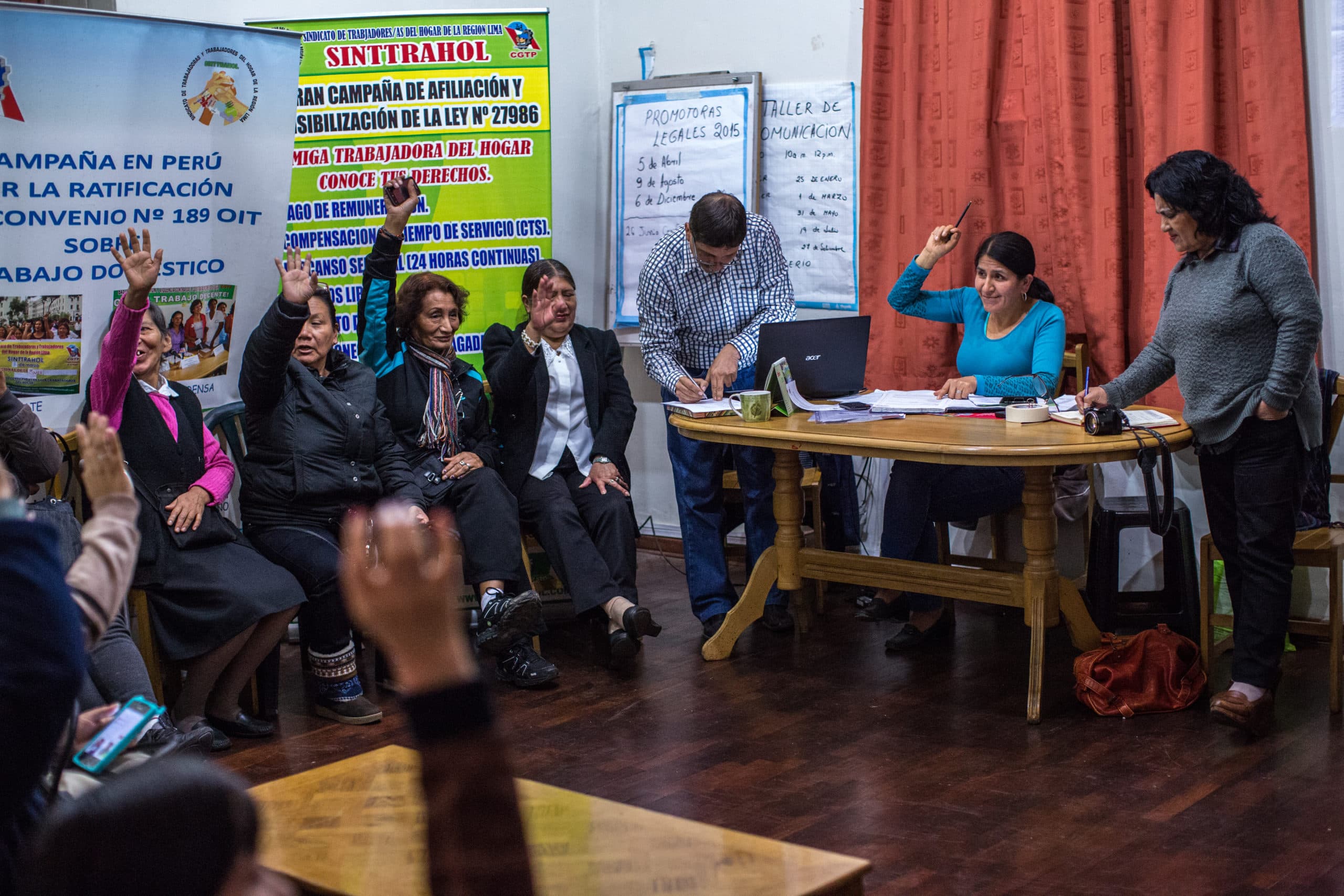
Global Reach
A bridge between worker organizations, civil society, and public and private institutions.
- Evidence on the realities of informal work
- Tools and learning offers for policy and practice
- Spaces for dialogue with decision-makers
 Informal and Precarious Work
October 23, 2026 · Jorge Garcia as told to Kaitlin Ferguson
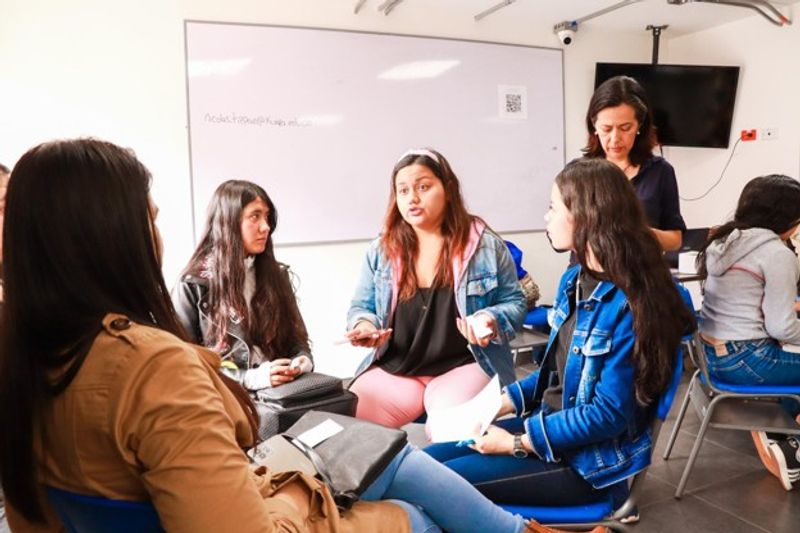
Empowering Students Through Education That Meets Workforce Needs
Youth unemployment remains a major barrier to economic mobility across Latin America, where many young people struggle to find stable, formal jobs after leaving school. In Colombia, Kuepa EduTech works to bridge the gap between education and employment through workforce training, employer partnerships, and career coaching.
Read storyResources
Learn and connect with us
Explore our knowledge products, learning opportunities, and community spaces.
Knowledge Hub
Research, briefs, and visualizations on informal work and worker voice to inform policy and programming.
- Worker-led studies and briefs
- Country and sector snapshots
- Visual tools to support decision-making
Worker Stories
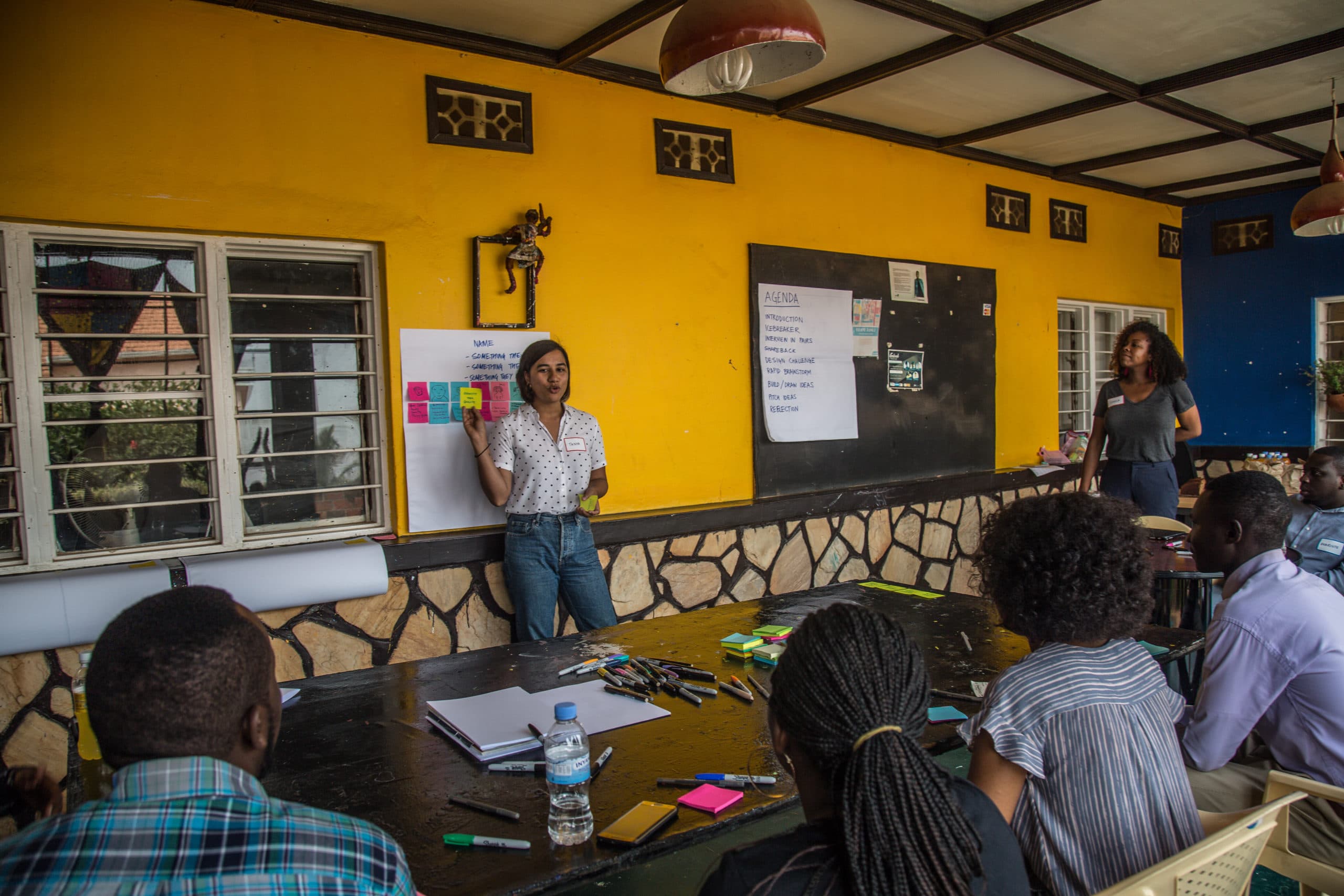
In workers' own words
Community Voices that bring the realities of workers in the informal economy to life.
Knowledge Hub
Latest research & publications
Worker-led studies, briefs, and data from across the informal economy.

September 21, 2026Global Fairness Initiative
The Future of Work: Worker Organizing and Power in Africa's Informal Economy
Across Africa, the structure of work and of labor markets are undergoing a profound transformation driven by a range of developments. These include the rapid digitalization of work, growing demand for care services, rising levels of labor migration, and the pressures of climate change which are propelling a transition across sectors. As a result, informal and non-standard forms of employment are increasingly common. Historically, trade unions played a central role in shielding workers from unsafe and underpaid conditions, but across much of the Global South their influence has declined, weakening worker representation and protection. In response, new worker organizations are emerging outside the bounds of traditional unions to fill this gap, developing new forms of collective power and solidarity. In addition, unions and worker groups are increasingly advocating for reforms that not only seek protection for their members but also influence policies toward a more equitable future. The Future of Work: Worker Organizing and Power in Africa’s Informal Economy Study seeks to explore and document how worker organizing and labor power-building are evolving in response to major shifts in the structure of work throughout the continent. The study focuses on five countries: Ghana, Nigeria, Uganda, Kenya, and South Africa, to explore the central question: How are new worker groups organizing—attracting, recruiting, and mobilizing—outside the traditional labor movement in response to Africa’s changing work landscape? These findings inform the recommendations to strengthen collective action and policy engagement for meaningful worker power and wellbeing.
Read publication
Case Study: The Future of Work: Worker Organizing and Power in Africa's Informal Economy - Domestic Services Workers Union of Ghana (DSWU)

Case Study: The Future of Work: Worker Organizing and Power in Africa's Informal Economy - Kenya National Waste Pickers Welfare Association (KeNaWPWA)

Case Study: The Future of Work: Worker Organizing and Power in Africa's Informal Economy - The Amalgamated Union of App-Based Transporters of Nigeria (AUTON)
Stay Connected
Follow Our Work
ILI publishes research, worker stories, and policy updates. Follow us to stay informed on what matters.